pharmaceutical machineries, packing materials and
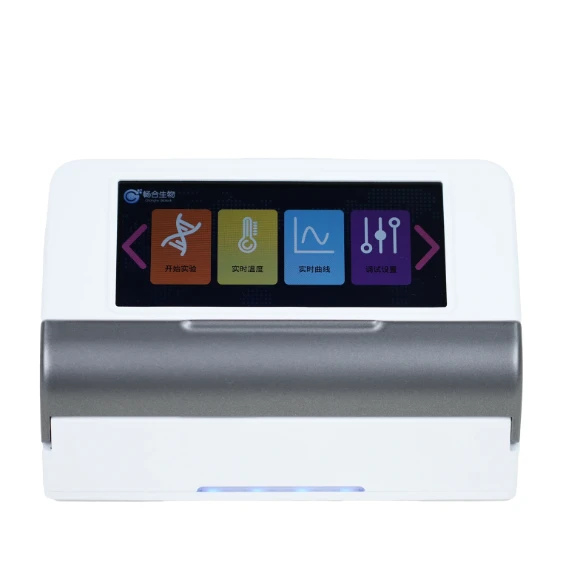

petit échantillonneur d'air
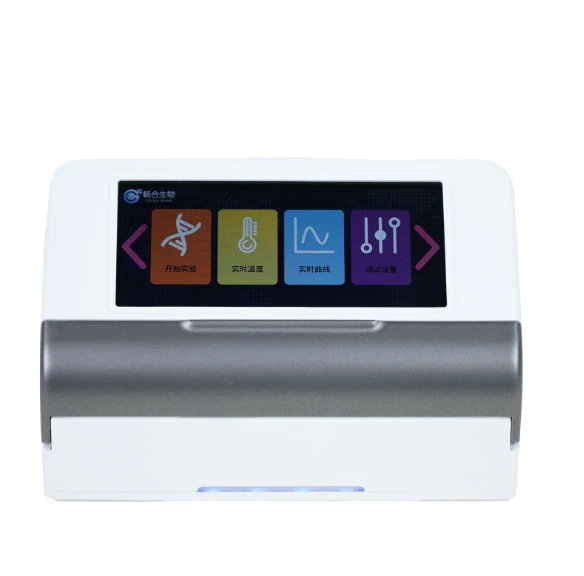
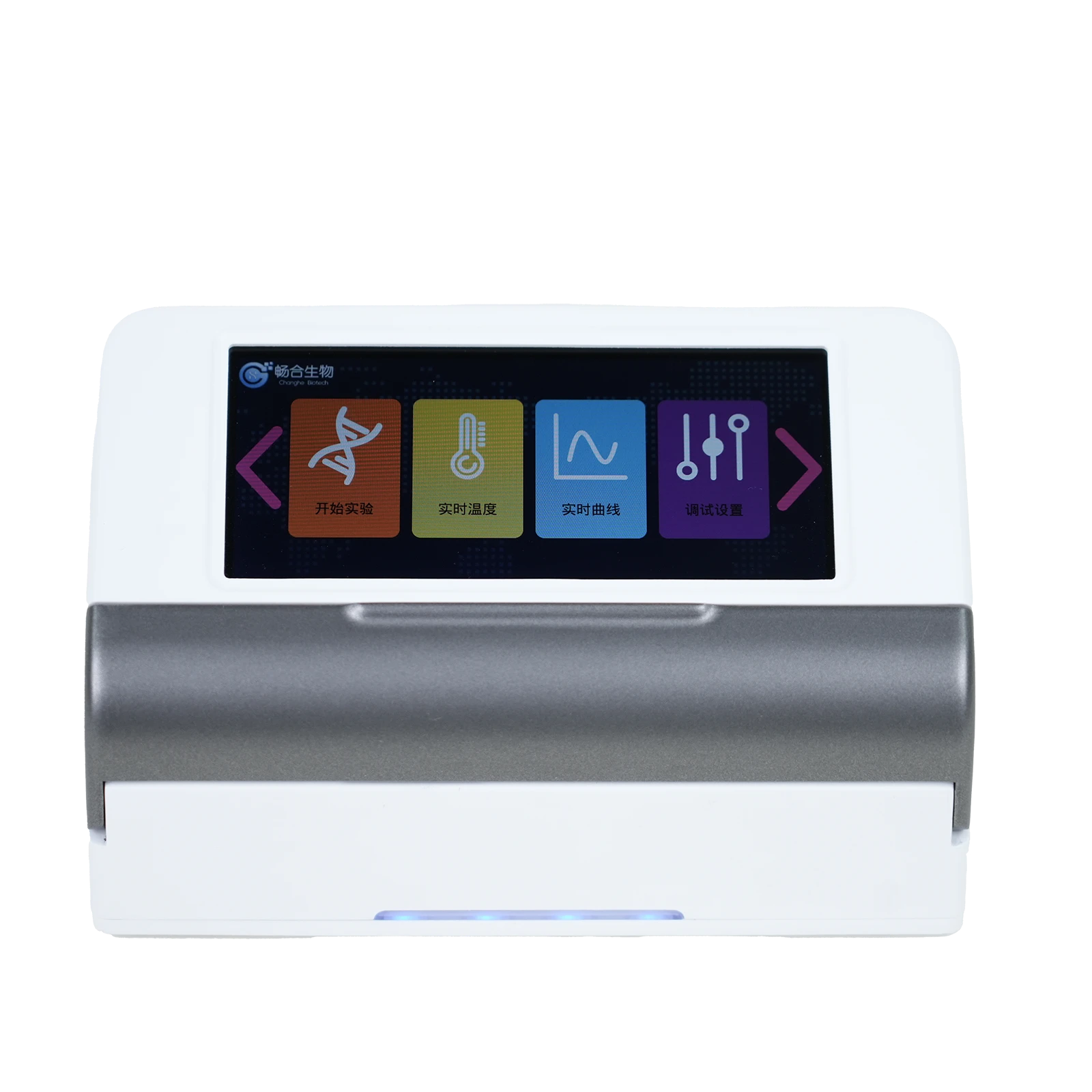
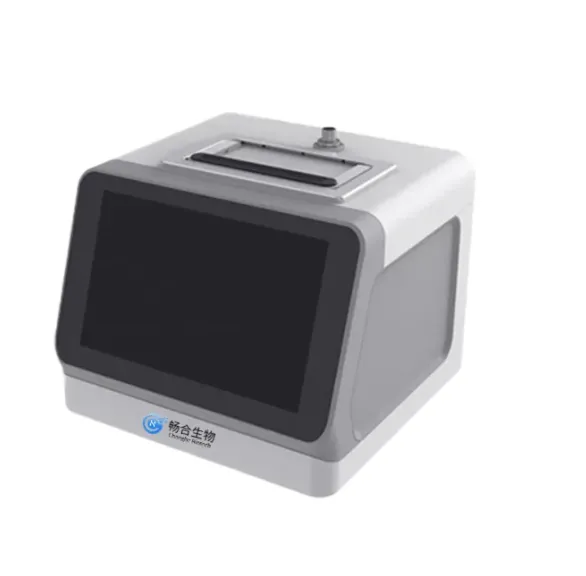
A field insider’s guide to Air Sample Mold Testing with real-time bioaerosol data If you’ve ever walked into a damp mechanical room and thought, “something’s blooming in here,” you’re not alone. The smartest move I see facilities teams making lately is switching from spot checks to continuous monitoring. That’s where an Air Sample Mold Test backed by fluorescence-based instrumentation has changed the game. In fact, the AST-1-2 Bioaerosol Monitoring Device reads biological particles in real time—no waiting for plates to grow. What’s driving the trend Two converging pressures: tighter IAQ compliance and a rising expectation of transparency from building occupants. Many customers say they need data they can act on today—not next Tuesday when the lab report lands. Real-time classification of fungi, pollen, and bacteria helps teams distinguish seasonal outdoor spikes from genuine indoor sources. Surprisingly, that cuts false alarms. How the device actually works The AST-1-2 uses laser-induced fluorescence to flag biological signatures. Particles pass a laser (commonly ≈405 nm), emit fluorescence, and an optical system measures size, relative shape, and emission spectra to infer whether it’s likely pollen, bacteria, or mold. To be honest, it’s not a DNA sequencer—it’s a fast classifier. For confirmation, you still integrate with occasional lab-based plates or qPCR. That’s the practical workflow most pros follow. Process flow (field-proven) Materials: optical-grade lenses, UV/blue laser diode, HEPA-protected electronics, corrosion-resistant chassis. Methods: continuous air draw, single-particle fluorescence and scattering; algorithmic classification. Testing standards used alongside: ISO 16000 series for microbiological sampling strategies; ASTM D7338 for building fungal assessment; EPA/WHO guidance for remediation thresholds. Service life: optics/laser ≈ 10,000–20,000 h; overall device ≈ 5–7 years with annual calibration (real-world use may vary). Industries: hospitals, schools, museums/archives, food & beverage, cleanrooms, cannabis grows, commercial real estate. Product snapshot: AST-1-2 Bioaerosol Monitoring Device Origin: FLOOR 7, NO.1588 HUHANG ROAD, SHANGHAI, CHINA. It’s designed for real-time, single-particle measurement and classification of bacteria, molds, and pollen to support Air Sample Mold Test decisions without guesswork. Parameter AST-1-2 (≈ values) Particle size range ~0.5–10 μm (typical bioaerosol band) Excitation / detection ≈405 nm laser; emission bands 450–650 nm Flow rate around 1–2.83 L/min (field-configurable) Output Counts by class (pollen/bacteria/fungal-like), size bins, time stamps Interfaces Ethernet/RS-485, CSV/API (varies by configuration) Certifications Manufacturer states CE/EMC conformity; ISO 9001 factory controls Vendor/approach comparison Vendor/Approach Detection principle Real-time? Costs (≈) Best for AST-1-2 Bioaerosol Monitoring Device Fluorescence + scattering Yes CapEx medium–high; low OpEx Continuous IAQ, trend analysis Spore-trap service (3rd-party lab) Microscopy count No (24–72 h) Per-sample fee; technician time Formal reports, legal docs Culture plates/qPCR Growth or genetic ID No (1–7 days) Per assay; lab fees Species confirmation Applications, customization, and feedback Use cases: remediation verification, HVAC commissioning, museum conservation, cleanroom baselines, grow-room biosecurity. Customization: firmware thresholds (alert at ≥1,500 fungal-like counts/m³), API integration to BMS, remote dashboards, outdoor reference nodes for normalization. Customer notes: “We correlated spikes with coil condensate—once we fixed drainage, Air Sample Mold Test readings dropped by ~70%.” Another client liked the clear pollen vs. mold split during spring. Mini case study A school wing flagged evening spikes: fungal-like counts ≈3,200/m³ 7–10 pm. Investigation found after-hours setback pushed RH to 68%. Adjusted to 55% RH, added coil cleaning; one week later, peaks stabilized around 500–700/m³—consistent with outdoor background. That’s the power of continuous Air Sample Mold Test data. Standards, QA, and test data Pair real-time counts with periodic ISO 16000 microbial sampling or ASTM D7338 assessment. Keep a calibration log (annual), and record outdoor reference levels. Typical urban outdoor baselines hover 200–800 spores/m³ in mild weather; storm events or leaf fall can spike much higher—context matters. Citations ISO 16000-16/17/21: Indoor air—Microbial sampling and analysis. NIOSH Manual of Analytical Methods (NMAM), Bioaerosol Sampling Guidance, 5th Ed. ASTM D7338-14: Guide for Assessment of Fungal Growth in Buildings. WHO Guidelines for Indoor Air Quality: Dampness and Mould, 2009. US EPA: Mold Remediation in Schools and Commercial Buildings, EPA 402-K-01-001.
Our newsletters, the latest information about our products, news and special offers.
Click for manual-
 personnel
The company introduces a large number of talents, researches projects and is responsible for customers
-
Research
Professional research project team for different customer needs
-
technology
New technology transformation mode,research high quality products


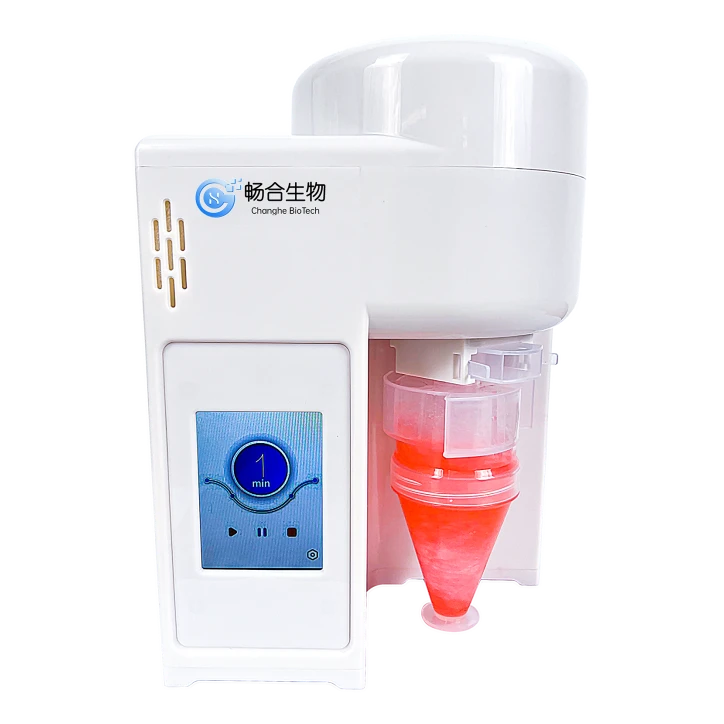
The application prospect of bioaerosol sampler will further grow.